Dennis Hackethal (DH) self-published the book A Window on Intelligence: The Philosophy of People, Software, and Evolution – and Its Implications in March 2020. Based on my analysis below, I conclude the book plagiarizes Elliot Temple (ET, myself) and David Deutsch (DD, who was ET’s mentor, colleague and friend).
This post provides claims (primarily about plagiarism) along with evidence and reasoning. This allows readers to form their own opinions and conclusions.
This post is about the first edition of the book. It was written before the book's second edition.
Introduction
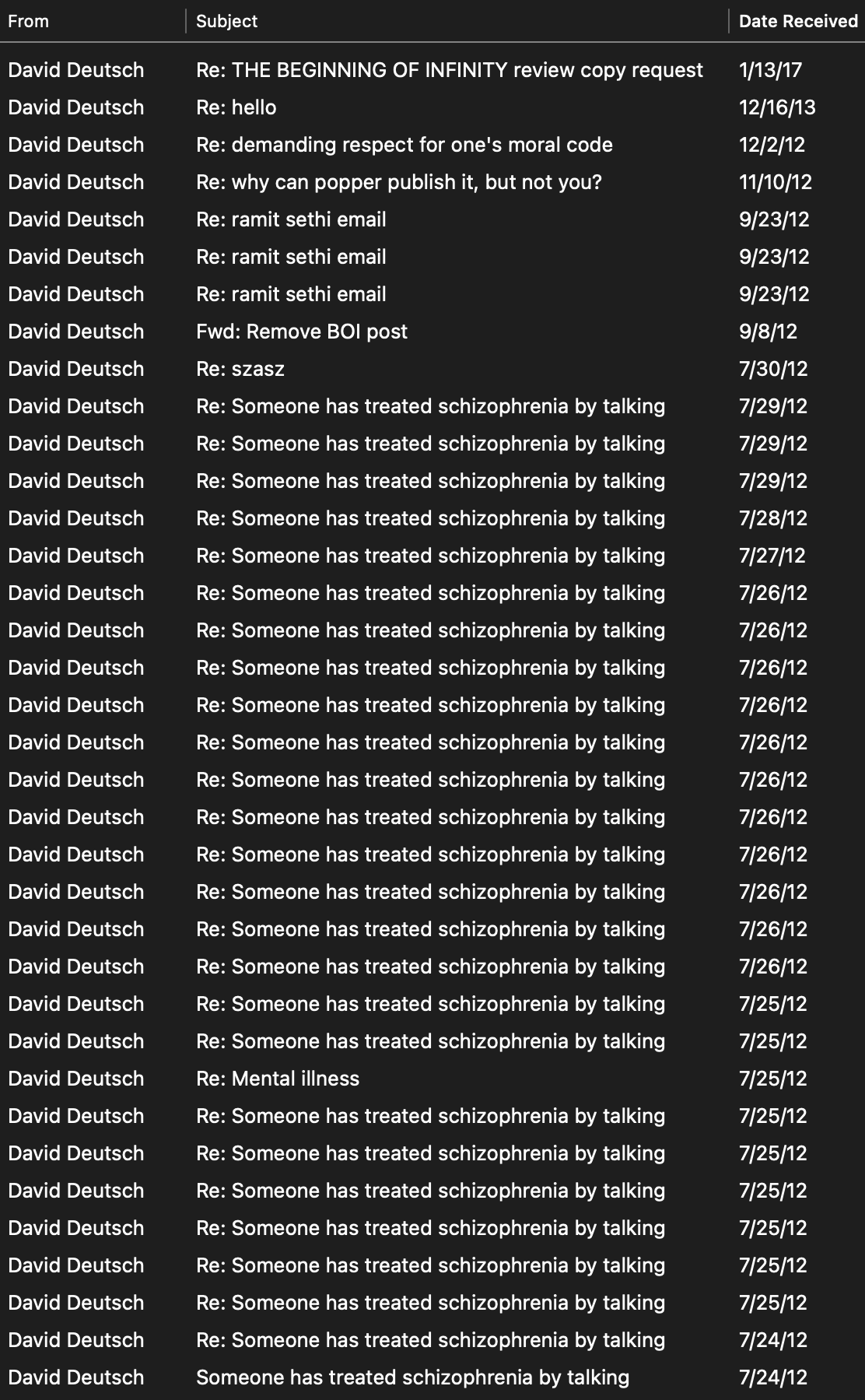
DH joined ET's online philosophy community in Dec 2018. He left after around 5 months. After leaving, before self-publishing his book, DH participated in negative gossip about ET, including falsely telling people that ET had "insinuated violence" towards DH. Also, after leaving, DH continued reading ET’s writing.
Although the book deals with some of ET's ideas, DH didn't provide any opportunity for pre-publication comment, never informed ET that he was writing a book, did not provide a courtesy copy of the book to ET, and didn't notify ET about the book's existence when it was published. This is after DH paid for calls to learn from ET about topics in the book.
ET wouldn't have helped DH learn if he knew DH was using the help for a book and that ET wouldn't be credited for the ideas he shared with DH. I don't know exactly when DH started planning or writing the book. It usually takes people many years working on philosophy before they have major new ideas to publish. According to his LinkedIn, Hackethal began researching artificial general intelligence less than a year before publishing the book which claims it has "bold new" ideas and "explains the mistakes intelligence researchers have been making – and how to fix them". A year is a short time to learn the field better than other researchers plus write a book.
DH makes many mistakes and didn't seem ready to write a book. But not putting ET's name in the book even once looks intentional. Other people who are less important to the book are named.
Please note that plagiarism can contain errors. I don't endorse the versions of my ideas in the book. I haven't read most of the book.
The parts I comment on in this post were quick and easy to find. I looked at all instances of DD’s name (20), ET’s name (0) and ET’s websites (3), so I know what credit was given to them. I didn’t check whether Karl Popper or others were plagiarized.
Universality
Yellow quotes like this are from DH’s book:
Criterion of universality – x is a universal y if it can do all the z’s all the other y’s can do
This sentence comes from when ET was teaching DH what universality is. One part of the educational help DH got was a discussion involving 20 emails. In it, ET wrote (Feb 2019):
X is a universal Y if it can do any Z that any other Y can do.
DH had trouble understanding. He wrote e.g. “I think I'm still confused about universality.”. ET helped more and DH gained enough confidence to put it in a book. DH didn't give credit for this.
Here’s another example related to universality:
Whichever way one chooses to define domains in which to look for universality, it is crucial to pick useful qualifiers and determine meaningful domains.
This is an important idea that ET explained to DH multiple times because he had difficulty understanding it. The idea is distinctive and is original to ET, not common knowledge. No credit is given.
Plagiarism and Copyright
Plagiarism is taking credit for ideas or writing that isn’t yours. Students fail classes for it. It's considered academic misconduct.
Copyright protects the specific form of a work but not the ideas or concepts. YouTube videos are commonly taken down for copyright violations.
So DH could write about a criterion of universality in his own words and it would only be plagiarism (if he didn’t give credit) but not copyright infringement. But when he uses ET’s words in his book without quoting them or giving credit, then it’s also copyright infringement.
When plagiarism is also copyright infringement, it often provides the most clear-cut, obvious examples of plagiarism. Other examples of plagiarism tend to be more complex and require some understanding of the field, and who developed what ideas, and who got what from what sources, in order to evaluate what is plagiarism. Without a good understanding of a field, it can be hard to understand what a paragraph says or evaluate how similar two ideas are.
Slight rewordings like changing "any Z" to "all the z's" don't prevent copyright infringement when it's still pretty clearly the same sentence.
Copyright has an exception called “fair use”. If DH had quoted ET’s sentence and given ET credit for writing it, then that would be fair use, not a copyright violation, even if ET didn't give permission. Fair use allows using some quotations for critical commentary or educational purposes. However, plagiarism isn't fair use.
Copied Question and Plagiarized Chapter
It is essential to ask, “hard to vary given what constraint?”.
Those quote marks indicate dialog or speech, not a quote from another author. But it’s actually an exact quote from ET, without credit.
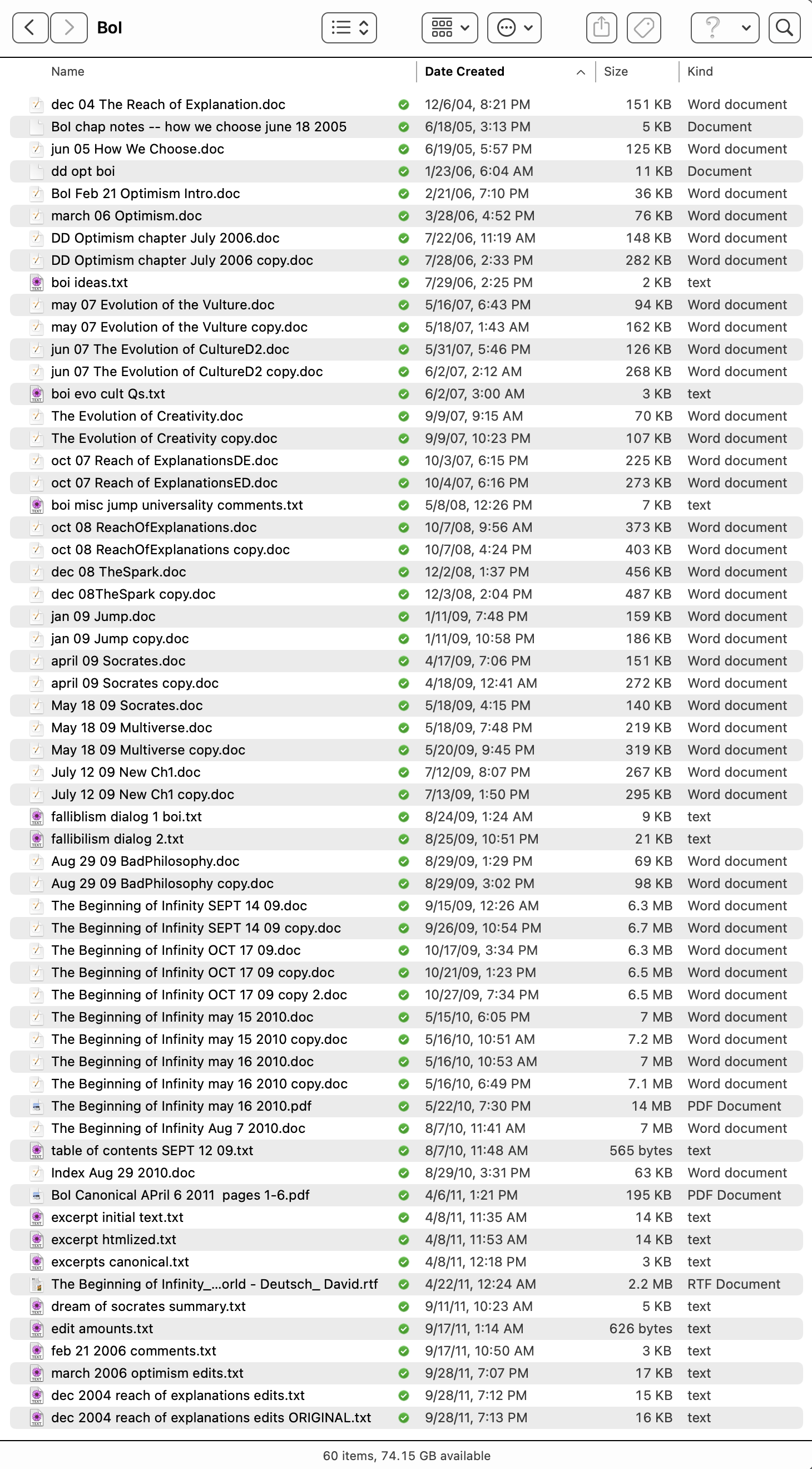
I wrote it here (2019-06-01) and more prominently in this blog post (2019-07-17) where I was discussing with Bruce Nielson, an associate of DH who is named in the acknowledgments. Even if I hadn’t told this directly to DH’s associate, we know DH kept reading my blog even after he stopped discussing with me because he uses later material from my blog in his book.
Much of the rest of the chapter is paraphrasing ET without credit, such as this sentence:
We want an implementation to be hard to vary while still solving the problem(s) it purports to solve.
ET has said things like this many times, e.g. a 2011 formulation on the FoR email group:
knowledge is information that is hard to vary while solving the problem [that it’s designed or adapted to solve] equally well or better.
Although DH’s phrasing appears to be based on ET’s writing, much of this concept was originated by DD. DD isn’t credited for it either.
The chapter has endnote 15:
I first came across the idea of using multiplication as an example of knowledge in computer programs here: http://web.archive.org/web/20190701184215/https://curi.us/988-structural-epistemology-introduction-part-1, which is in turn based on the concept of structural epistemology, which goes back to David Deutsch and Kolya Wolf.
On 2018-12-24, after DH verbally said he wanted them, ET emailed DH links to four posts about structural epistemology. The posts supplemented verbal discussion where ET taught DH about it. Here, only one is cited, indirectly, without naming ET, while naming others who are less relevant.
With just this one endnote about one sub-issue, and no mention of ET’s name, DH spends most of ch. 3 explaining ET’s work but presenting it as DH's own ideas. (Some of it, as ET has acknowledged, DD helped with or originated; DH doesn’t credit DD either). DH borrows extensively from ET’s way of teaching and explaining these issues, for a whole chapter, and provides just one endnote mentioning where he got one detail (the idea of using multiplication as an example).
Other ET Endnotes
The easiest way to find more plagiarism of ET is to check the endnotes. There are two more which indirectly reference ET’s website while omitting his name. First:
[33] Hans Hass, “The Human Animal,” as quoted on http://web.archive.org/web/20190702162345/https://curi.us/272-algorithmic-animal-behavior
This endnote doesn't share that ET has made multiple essays and videos about this topic. It's not giving credit to ET for any ideas about animals; it's just using ET as a secondary source to quote Hans Hass. When DH met ET, DH disagreed with ET's position on this topic. ET changed DH's mind via calls, chats, emails, blog posts and videos. ET's views about animals are distinctive and aren't believed by Hass. ET's views are a mix of original and learned from DD.
Unlike ET, Hass gets his name in the main text of the book too, not just in an endnote, as is standard practice.
DH's whole section on ‘Animal “Learning”’ is heavily based on the ideas of ET and DD, including ET’s category of blog posts about animal intelligence. I think it's primarily based on ET's work since DD has little public material on this topic.
We can explain this easily and well through the existence of an inborn pathfinding algorithm whose results just need to be stored in memory for later retrieval.
DH learned about pathfinding algorithms from ET on a call. DH argued the other side (that pets navigating rooms indicates creativity) until ET taught him better ideas. It's interesting that DH uses the word "easily" since he was unable to figure it out himself. I personally was able to think of that point myself without being told, but DH wasn't. He's presenting himself as someone he's not.
Before learning from ET, DH actually had conventional/mainstream views about animal intelligence. No credit is given for radically changing DH’s conclusions on these matters and teaching him the viewpoint the book advocates shortly before the book was published.
The last endnote related to ET is:
[36] As far as I am aware, the notion of such a meta-algorithm was first introduced in the form of a “fail-safe” (but its significance underestimated) here: http://web.archive.org/web/20200207181124/http://curi.us/2245-discussion-about-animal-rights-and-popper
This includes an unargued, unexplained, unreasonable claim that ET made a mistake! ET’s knowledge of an obscure subject is not evidence that ET underestimates it. ET bringing up something original (as DH believes it to be) is not evidence that he didn't realize it’s significant.
Again ET’s name isn’t given and this is only an endnote so a reader could easily never realize that even this little bit of partial credit was given. DH uses the term “meta-algorithm” 95 times in the book, inspired by ET, but doesn’t give ET meaningful credit. I actually think DH is confused about the issue and its originality (it’s already in widespread use by programmers, which DH apparently hasn’t noticed, but certain applications of it about animals are original to DD and ET), but I won’t get into that.
Note that the link here goes to a post ET wrote in Nov 2019, over six months after DH had left ET's online community. This shows that after DH left, he was still reading ET’s work and using it for his book, including specifically ET’s posts related to animal intelligence.
Another plagiarism example is DH’s discussion of golden rice and the precautionary principle. ET wrote about golden rice and the precautionary principle, also in Nov 2019 while DH was reading ET’s work and writing his book. That ET post also explains a non-standard view of Pascal’s Wager, and DH wrote something similar about Pascal’s Wager in another part of the book.
DD Plagiarism
I skimmed DH’s book and noted a few topics discussed which are distinctively associated with DD. Then I searched for every time DD’s name was used to give DD credit. Subtracting what DD got credit for from the list, the rest are plagiarism.
Topics plagiarized from DD include: Problems are soluble, problems are inevitable, various universality stuff including the jump to universality (using DD’s exact phrase "jump to universality” seven times), reach, and criteria for reality. These are major ideas from DD’s books, especially The Beginning of Infinity (BoI). They are highly original and distinctive ideas which DH gives no credit for. DH’s book title “A Window on Intelligence” is also based on DD’s chapter title “A Window on Infinity” in BoI.
Topics where DD got some credit include: Structural epistemology, hard to vary, universal explainers, static and dynamic memes, Church-Turing-Deutsch principle, and "If you can’t program it, you haven’t understood it.”. In the first 3 of those 6 cases, DD’s name only appears in an endnote, not in the main text of the book, so most readers won’t know it’s DD’s idea. Also there’s no text crediting DD for the Church-Turing-Deutsch principle; that's just implied by DD’s name being in the principle’s name. "Deutsch" is a pretty common name and there’s no mention that it’s the same person and no citation to DD’s book, BoI, where DD talks about is as the “Church-Turing conjecture”.
There’s also an endnote linking to a DD blog post. I didn’t read that part of the book to investigate further.
The appropriate way to handle this, at minimum, is to credit DD by name in the main text each time one of DD’s major, original ideas is first introduced. I should be treated that way too.
As a comparison, in The Fabric of Reality (FoR) DD shares a few criticisms of Thomas Kuhn, who is a relatively minor topic (the index indicates that Kuhn comes up on only 11 pages in a 22 page section of the book, and isn’t mentioned at all elsewhere). Nevertheless, Kuhn’s name is used 26 times, while DD’s name is only used 20 times in DH’s whole book, even though DD and I (DD's former student who has a lot of similar ideas) are basically the theme of DH's whole book. (DD’s book is around 40% longer than DH’s, but I don't think that makes much difference since Kuhn only comes up in one part.)
Misrepresenting Association with DD
From the acknowledgements with my italics:
David Deutsch, whose books were some of the inspirations for this book, for tirelessly answering my many questions over the years.
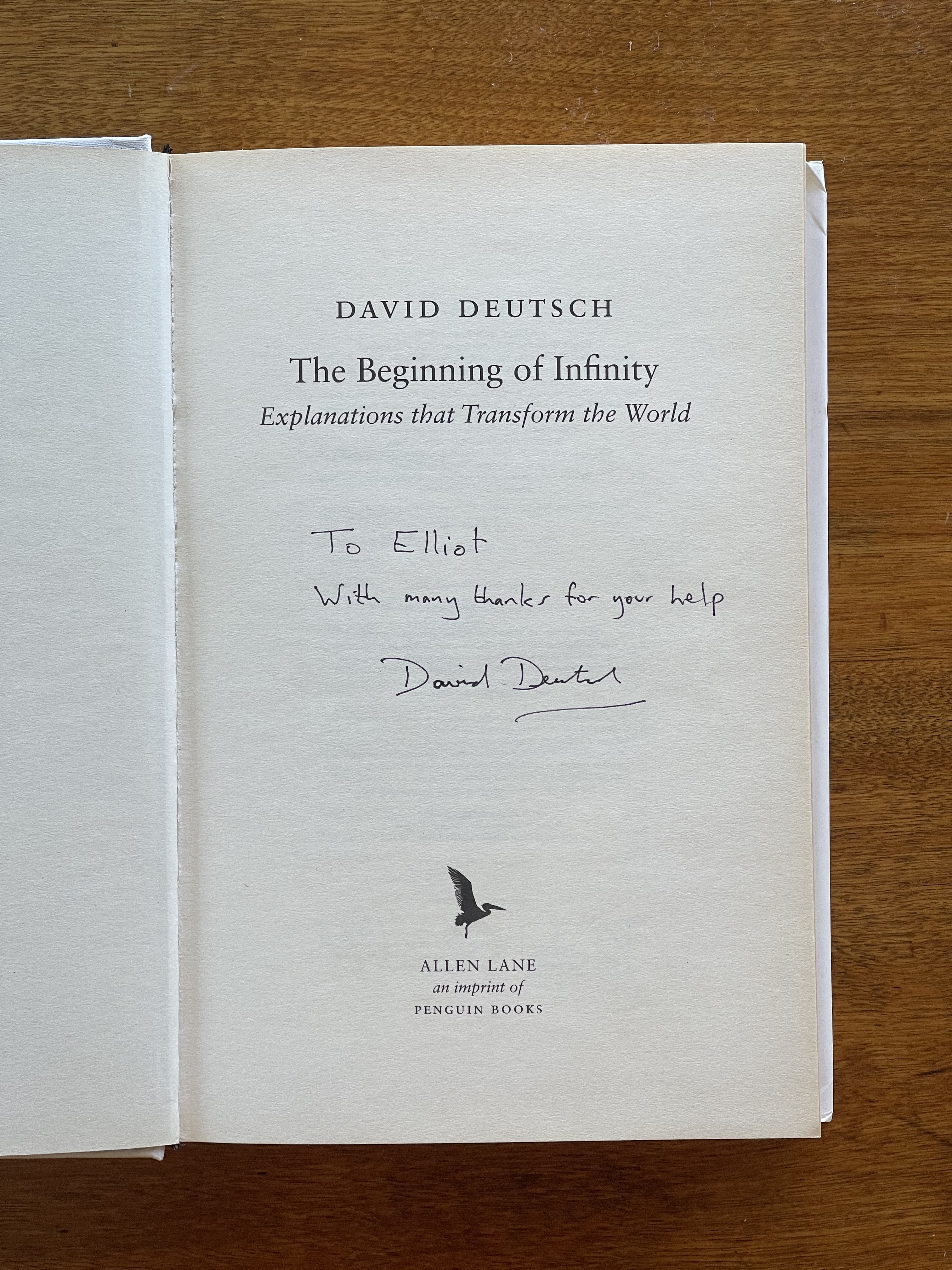
That isn’t true. I have information about this from both DD and DH. Around a year before DH published his book, my impression was that he'd had one conversation with DD years earlier. Then DH asked me about DD's contact information.
Feynman the Popperian
Feynman was familiar with Popperian philosophy and even taught it (though not without mistakes).
Source: Me?
As far as I know, I'm the only person to publicly claim that Feynman was familiar with Popper (until DD joined an online discussion to back me up). Unlike DH, I gave sources and evidence for this claim since it's not common knowledge and most people would probably deny it.
I figured it out from Feynman’s books but DD already knew it from talking with Feynman in person and also from his knowledge of the physics community. I shared the idea and many people thought I was an idiot until I convinced DD to share part of his knowledge too.
As far as Feynman teaching Popperian philosophy, that’s a misleading exaggeration. And, despite being the source of the idea of Feynman's familiarity with Popper, I don’t know what mistakes DH is accusing Feynman of making (he doesn’t explain or give any source).
Sources: I have a blog post Feynman the Popperian from 2008 and there was more at email discussion groups. Yahoo Groups has been shut down now so I'm not providing a link, although I do still have the emails.
I also told DH about this directly, e.g. from 2018-03-03 I told him “i think Feynman read and understood Popper well.”
Here’s part of DD's post to the FoR group, on 2011-05-02, responding to one of my critics. The quote DD responds to is cut from the middle of a paragraph in a rant directed against me:
On 2 May 2011, at 3:41pm, John Clark wrote:
There is in fact no hard evidence that Feynman even knew that a fellow by the name of Karl Popper ever existed.
For what it's worth, I happened to mention Popper in the one conversation I had with Feynman, sometime in the 80s, and he did not say "who's that?" but replied meaningfully to the point. So that's evidence he had heard of Popper at that time. What he knew of him, I have no empirical evidence of, because Popper was peripheral to the conversation and I never got round to pursuing the matter.
DD told me personally what he and Feynman said to each other. DD and I both believe that conversation showed that Feynman knew a lot about Popper.
DH Doesn't Know How to Cite
[6] Karl Popper, “Back to the Presocratics”
[10] Karl Popper’s translation in “Back to the Presocratics”
These citations do not follow any of the standard style guidelines for cites. Nor, worse, do they provide enough information for someone to find what Popper wrote. DH gives the name of an essay without saying what it is (book, essay, TV show, etc.) or saying what book it can be found in. DH elsewhere cites books and TV shows using the same format (quote marks around the title) that he here uses for citing an article within an unnamed book. In those cases, at least he’s giving an author and the overall title of the thing in question, so it’s less bad. Here he left out the name of the book he’s citing!
DH even screws up referring to his own writing:
Dennis Hackethal, Misconceptions About Evolution, 2020
Dennis Hackethal, What Is the Difference Between a Person and a Recording of That Person?, 2020
What book, journal or website has those articles? All DH gives is a title but no link or indication of what type of work they are. It’s not enough information to look them up and read them.
People who don’t know how to cite – and are unable or unwilling to learn or to use a tool that creates properly formatted citations for you – should not be writing books with 86 end notes and 35 bibliography entries.
DH's Unprofessional Insults
Although large portions of the book are about DD’s ideas, Nick Bostrom, who is brought up as a target to attack (not as a source of ideas DH advocates), is named more times than DD. Here’s a sample of what DH says about Bostrom and his book Superintelligence:
Oxford has produced … some of the worst [intelligence research] (Nick Bostrom).
Bostrom is [a] slave of [irrational ideas]
[Bostrom’s] book is such a nauseatingly pessimistic attempt to snuff out AGI
[Bostrom’s] book is a slaveholder’s manual. To say this is not an exaggeration, nor is it metaphorical
[Bostrom’s book is a] Gestapo-style manual
DH does give some intellectual reasoning related to these attacks. I think the reasons are partially right but I also disagree significantly. The reasoning is unfair to Bostrom and would be inadequate to make these attacks even if DH was right about all the issues. If you read the book to see the context of the Bostrom quotes and understand the arguments, you may agree with DH’s claims somewhat more, but you won’t find the quotes any nicer.
Lots of the reasoning DH uses for attacking Bostrom on AI alignment and slavery is plagiarized from ET and DD. DH also plagiarized the view of a new AGI as similar to a child needing an education. Comments like “If you build an AGI, you are a parent.” appear to be taken from ET. Note that although the AGI material is easily recognizable and distinctive, it's also changed and wrong. No, building an AGI doesn't automatically make you a parent.
The issue of introducing errors to plagiarized ideas comes up on other topics too. Being an author is hard and it takes skill to figure out what should and shouldn't be cited (which involves judging whether ideas are original, important, distinctive and more). It's tricky to correctly state what others said or thought and give them credit while being careful not to attribute any of your own errors or changes to other people. However, since ET's name is in the book zero times, and the book treats other intellectuals very differently, it doesn't look like a case of DH doing his best to give ET credit but making mistakes.
Elsewhere, DH also brings up parenting to talk about it being an area heavy with static memes, which is again something he learned about from ET.
Richard Dawkins
DH struggles to make accurate statements about what other thinkers besides ET believe, although he does tend to name and credit them, not present the ideas as his own:
the evolutionary biologist Richard Dawkins discovered that organisms are protective shields genes build around themselves. Organisms are the slaves that genes use to spread through the population.
and
Like all organisms, human bodies are the slaves that genes use to achieve this purpose.
The term is “survival machine” (which appears 96 times in Dawkins’ book, The Selfish Gene) not "protective shield". I still remember the "survival machine" term many years after reading the book because it was a major theme and heavily repeated. Why doesn't DH use the right term? The term “shield” is only in the book once in a different context (DNA membranes). Dawkins’ term is more accurate and descriptive, and somewhat different (a machine does more than a shield, e.g. machines have moving parts and could plausibly hunt for food, while shields don’t).
The stuff about slavery is confused and problematic. It's a poor explanation of survival machines that's being unfairly associated with Dawkins, who never said it. To make it harder to tell that Dawkins never said it, DH gives no cite here and never specifies which of Dawkins’ books he’s talking about.
Dennis Hackethal’s Comments
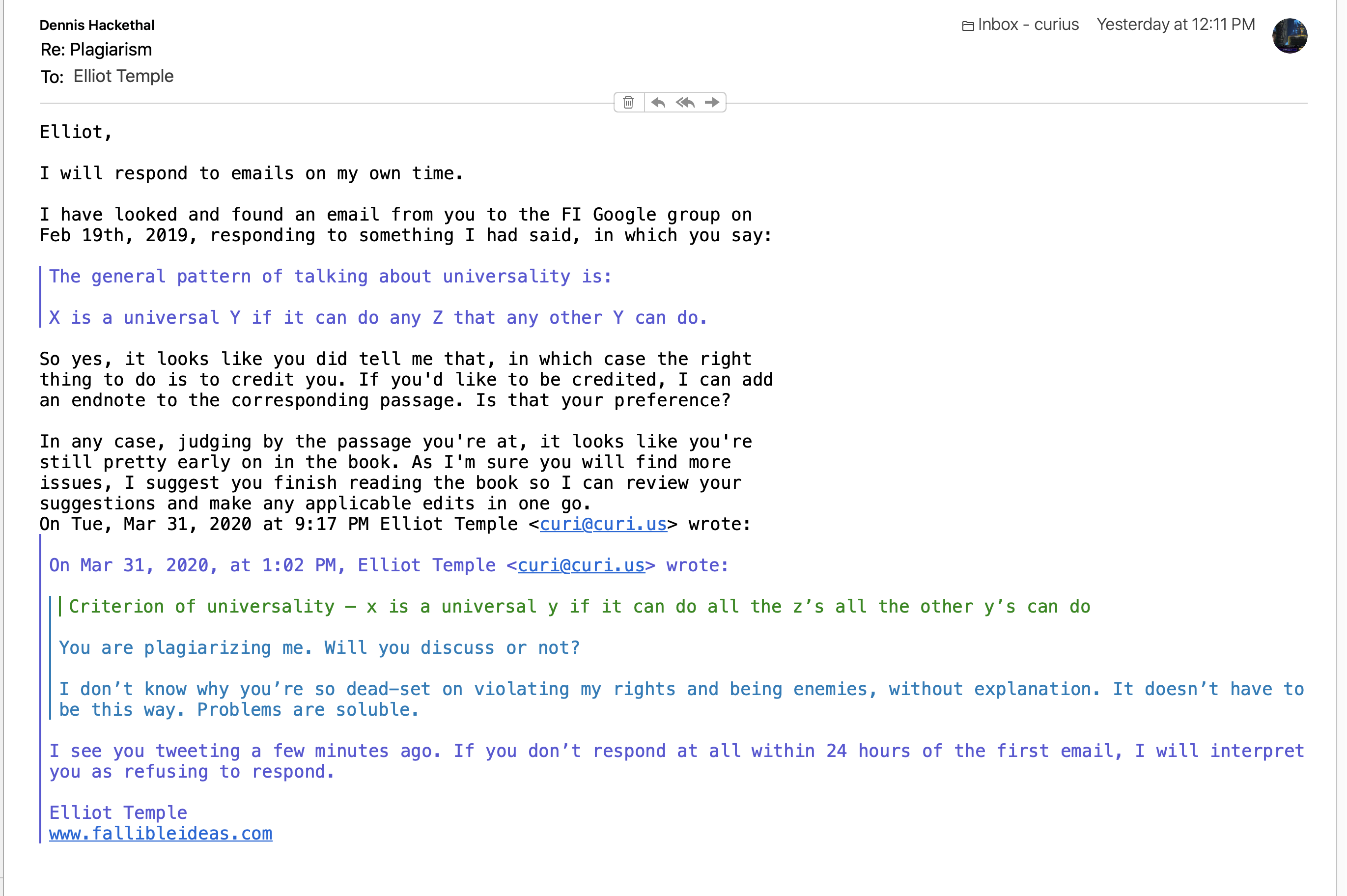
I contacted DH and brought up concerns about plagiarism when I first saw a major issue in the book: the criterion of universality sentence. He replied with what I thought was an admission of some plagiarism (yellow quotes are now from DH's emails):
yes, it looks like you did tell me that [sentence], in which case the right thing to do is to credit you.
DH then proposed adding an endnote with no mention of adding ET's name to the book or changing the sentence to use quotation marks.
judging by the passage you're at, it looks like you're still pretty early on in the book. As I'm sure you will find more issues
After I thought he acknowledged I was correct about the plagiarism I brought up, I read this as an admission that the book probably contained more plagiarism.
I suggest you finish reading the book so I can review your suggestions and make any applicable edits in one go.
I read this as DH having no plans to fix the "more issues" he was "sure" were present unless I found them for him. If he'd written the book carefully and was confident he knew how to avoid plagiarism, then I wouldn't expect him to be "sure" there were "more issues". If he isn't confident in the rest of the book, then he ought to review it and fix it himself, or if he doesn't know how to do that or doesn't want to, then withdraw it from sale.
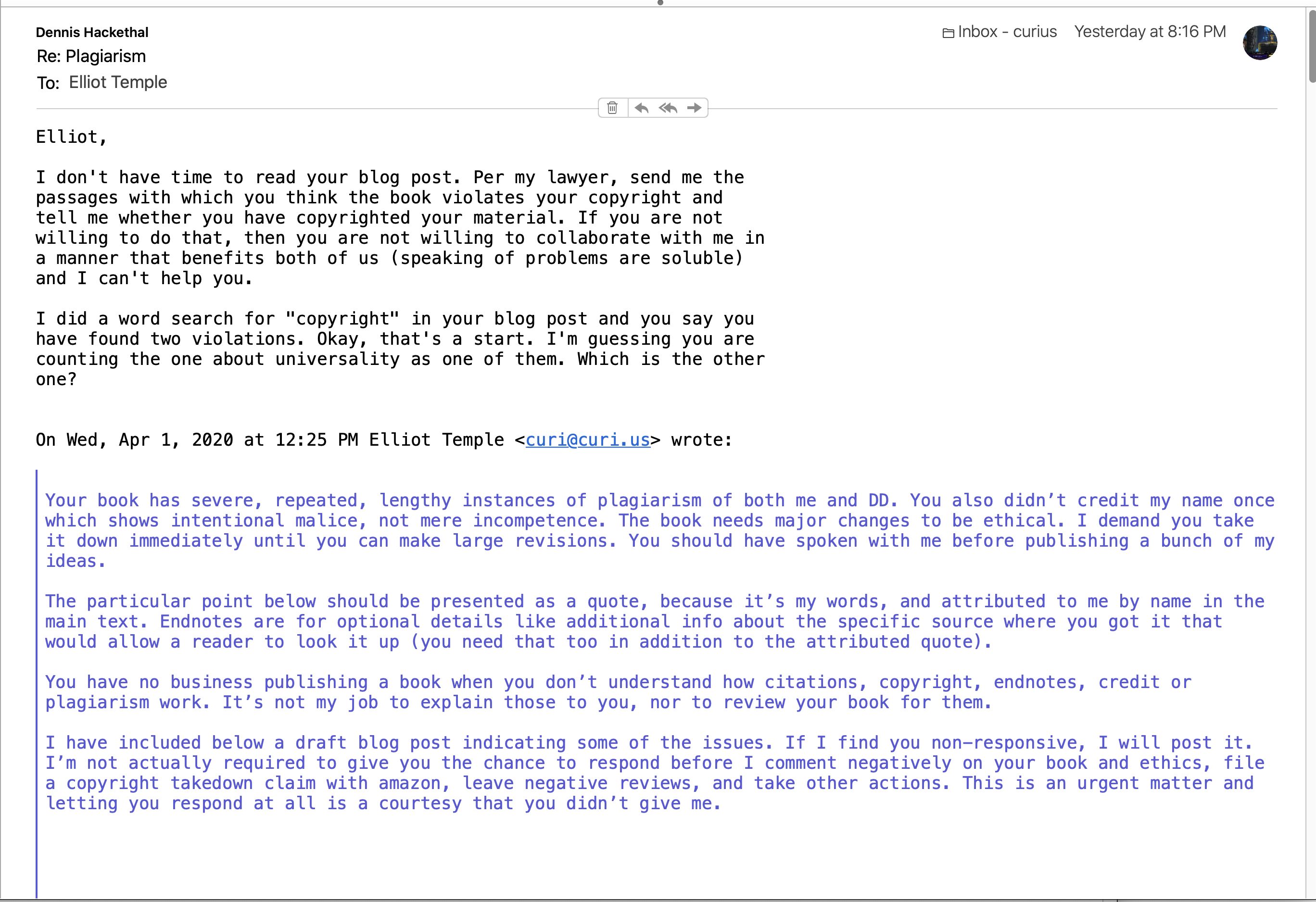
Since he wanted one long email, I sent DH a draft of this blog post. He replied:
I don't have time to read your blog post.
That seemed unreasonable to me after he had asked for one long email. I took it as him knowing he was in the wrong, having no objections to my post, and deciding to just strategically ignore me and my plagiarism complaint. I thought that he believed he could get away with plagiarizing me, and all I would do about it was write a blog post, which he could ignore, and that was worth it to him.
He also brought up his lawyer and changed the subject to copyright, not plagiarism. I replied:
You only replied about copyright. Are you saying you’re unwilling to address plagiarism issues?
DH did not reply so, given that he was ignoring me, admitted to some problems, and offered no objections to my post, I went ahead and published my post. He didn't tell me there was a problem until 2024, when he claimed that he was actually extremely upset in 2020. That implies his 2020 communications and his years of silence were misleading: it wasn't really a matter of not having time like he told me.
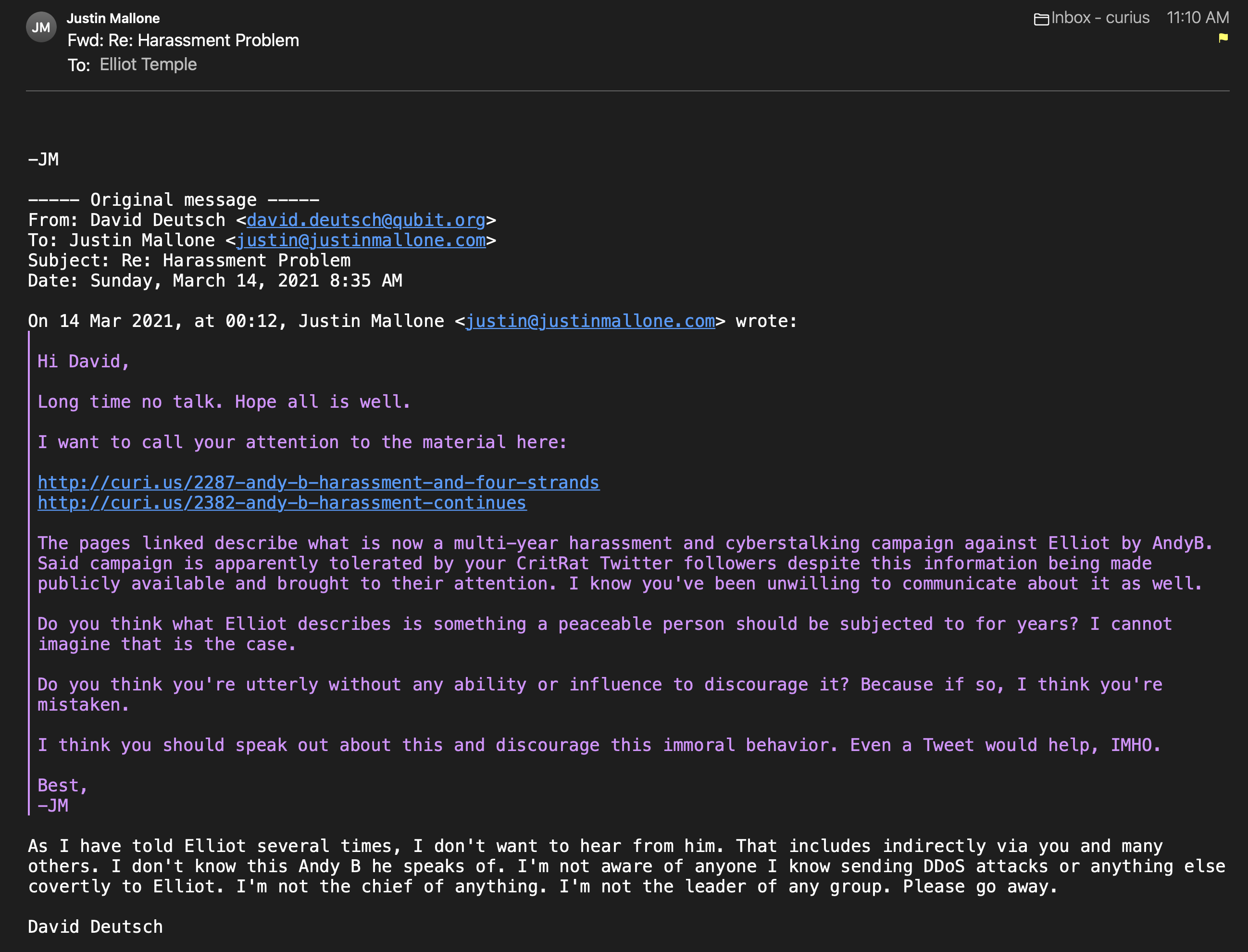
Here are screenshots of DH’s emails: email 1 and email 2.
DDoS
In 2020, my blog, curi.us, was DDoSed for the first time around 45 hours after I sent my draft post about plagiarism to DH, before I published it. DDoSing is a crime involving breaking websites by sending malicious information to them over the internet.
Based on the timing, I suspected the DDoS was connected with this blog post. I had questions for DH but he remained silent.
In 2024, after four years of silence, DH told me "For clarity: my denial of all criminal allegations means I did not DoS your website, nor do I know anyone who did." (I didn't call him a criminal.) He wants me to consider him a non-suspect because he belatedly said he didn't do it, even though he still won't discuss it and answer questions. And, assuming he doesn't know who did it, I don't understand how he could be confident that the perpetrator isn't someone he knows (like Andy B, who left hundreds of harassing comments on my blog).
Editing Pass
This blog post was first published on 2020-04-03. You're reading it after an editing pass in 2025. This post is still about the first edition of the book. I don't consider the second edition satisfactory, but the first edition remains relevant anyway. It was published, people own it, and DH is still defending the first edition. DH also hasn't announced or explained the second edition or provided a change log or errata, and he didn't make reasonable efforts to distribute the second edition to readers (for example, he delayed sending the update to people who'd already bought the book on Kindle for four or five years). People with a paper first edition have no way to know about any changes since Hackethal made no announcement, and anyone who already read a first edition ebook is unlikely to notice the second edition even if their copy eventually updated.
Why edit this post? The original was written quickly, with no attempt to be comprehensive, partly because I didn't want to be DH's unpaid book editor. I was unhappy about being plagiarized. Some of my rude comments were unnecessary to my main point about plagiarism. DH didn't tell me until years later that he thought this post wronged him. When I found out that he was upset, I offered to make changes, but DH declined, saying he wanted me to completely delete everything I ever wrote about him and agree to many other demands too. His threat to sue me got in the way of making changes, but I've decided to edit it anyway. It's now closer to how I'd write it today.
This version is heavily based on the original post. I made larger changes to the start and end, but smaller changes in the middle. I mostly left the same criticisms of the book in the same order. I didn't review the book to find additional concerns. I've kept this as an improved version of the original post, so I've mostly left out events from after 2020.
Conclusion
I think Dennis Hackethal's book plagiarized Elliot Temple and David Deutsch. Based on a quick review, I found problems with the book which I've shared above. Because I gave evidence and reasons, not just an assertion, you can form your own opinions and conclusions.
I request that Hackethal fix the book, share errata or some other explanation about the fixes, and make an announcement so people know about the changes – or else stop selling it. I also request that Hackethal stop reading my philosophy essays and watching my philosophy videos in order to help prevent future plagiarism.
2025 Updates
Hackethal's website, Veritula, does worse than plagiarize me. It uses my ideas but falsely attributes them to Karl Popper. He also made legal threats and attacked me online. I made a timeline. I also wrote Dennis Hackethal's Defense for Plagiarism.